
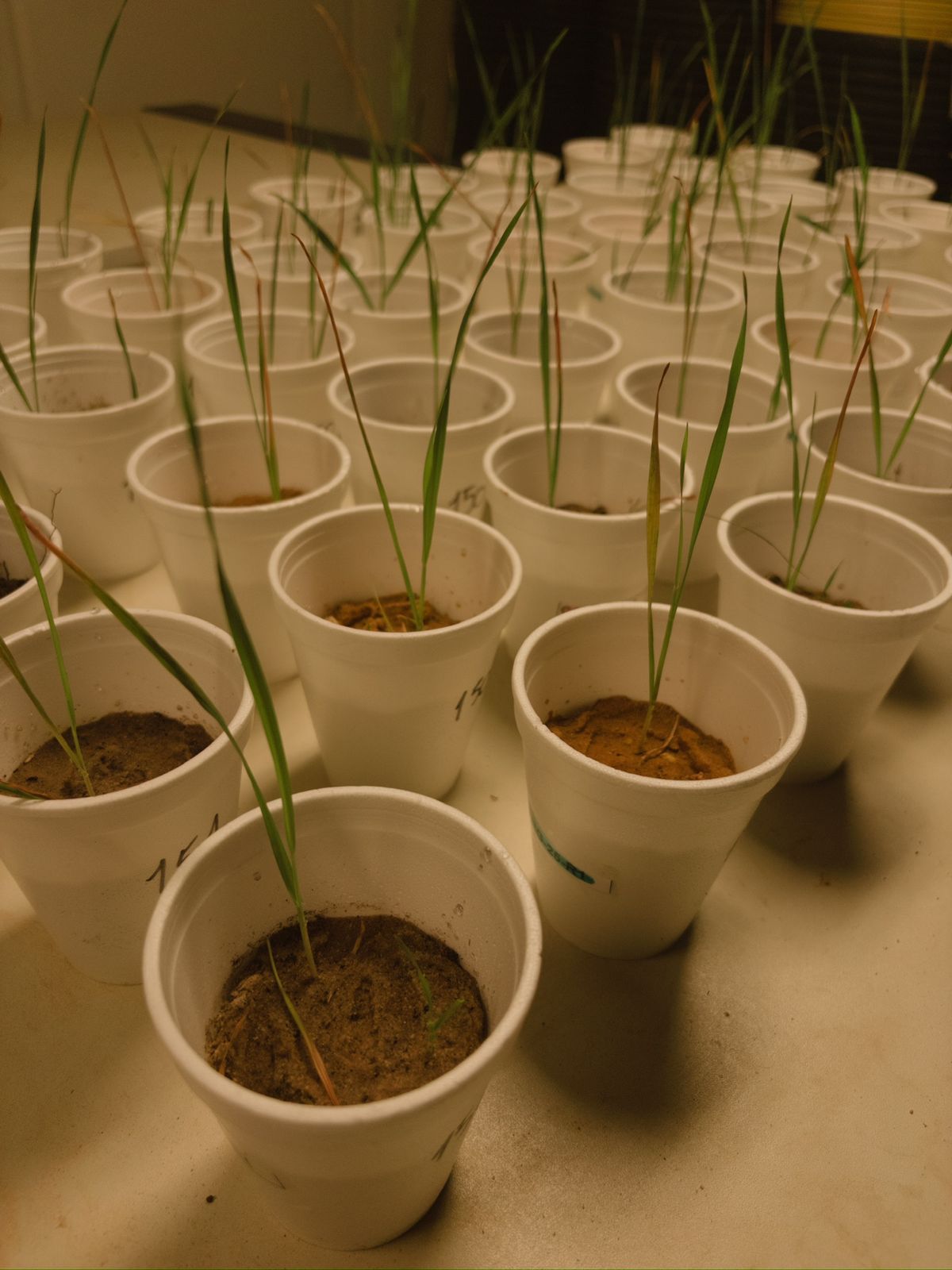
The Arbuscular mycorrhizal fungi (AMF) They are not just soil components; They play a central role in the health and balance of natural and agricultural ecosystems.
By establishing a symbiotic association with the roots of plants, these organisms act as true natural biostimulants, promoting:
Expansion of nutrient absorption;
Increased tolerance to water and saline stresses;
Fundamental increase in agricultural productivity (Tomazelli et al., 2022).
Understanding the dynamics of AMF is, therefore, essential for those looking to combine high productivity with environmental preservation.
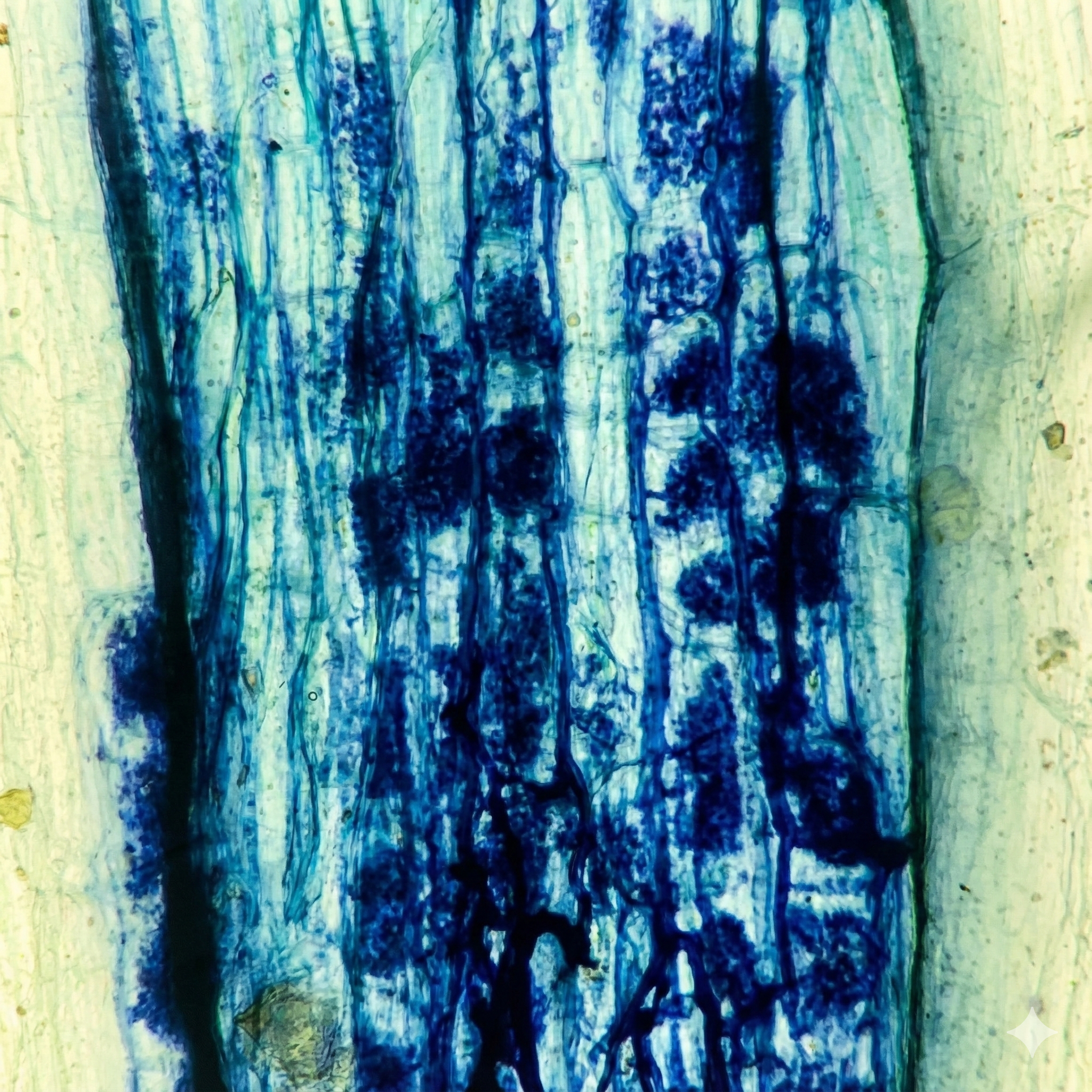
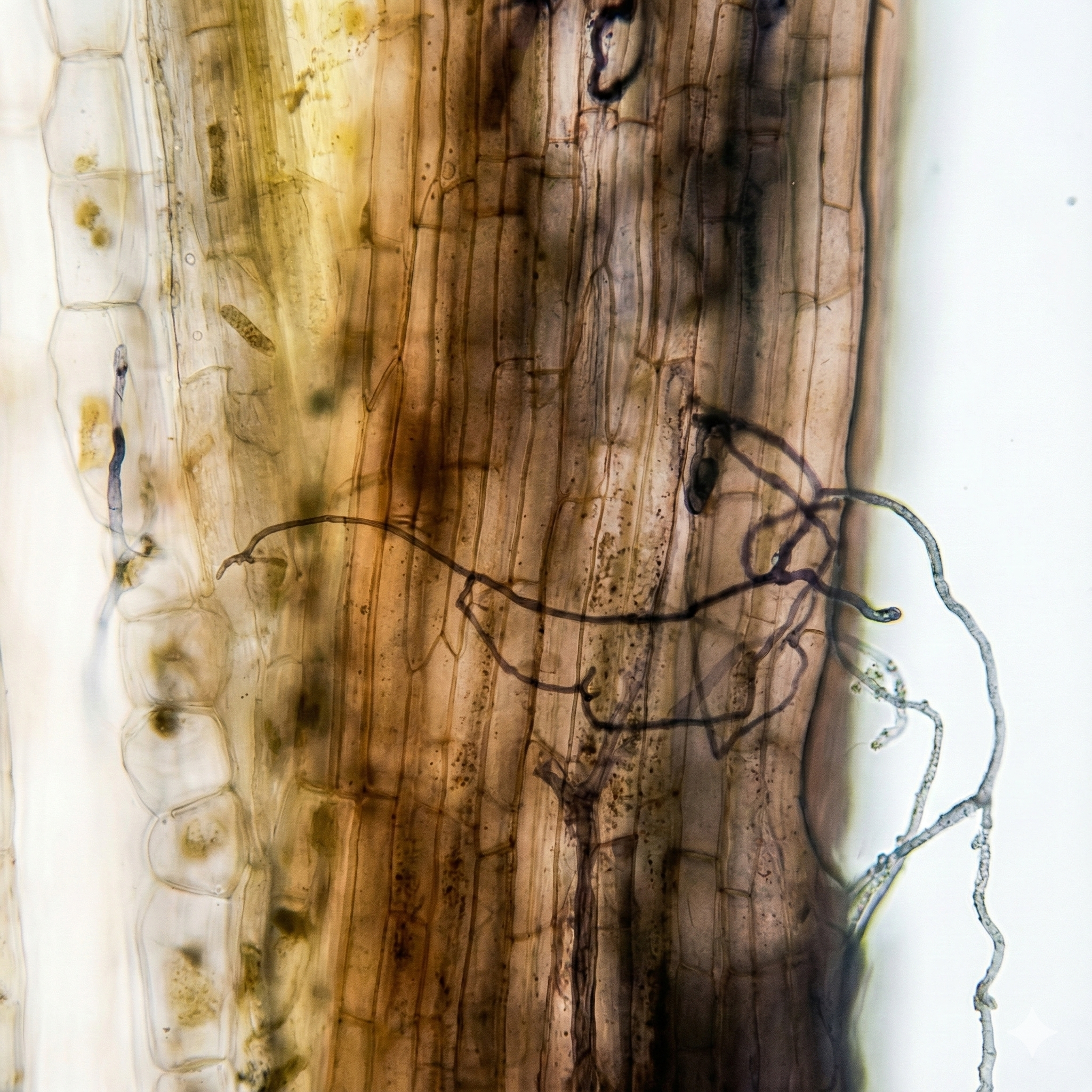
The importance of AMF in the global agenda (Green Deal and EFSA)
The relevance of these organisms has surpassed academic barriers and is now widely recognized in the international environmental agendas. A special highlight goes to the goals of the european green deal.
The EFSA (European Food Safety Authority) highlights that the AMF make up a significant portion of the soil microbial biomass. Because of this, the entity recommends the inclusion of these fungi as non-target organisms in toxicological assessments of pesticides (Scientific Opinion, 2017). The objective is to protect its vital ecological function in maintaining fertility and the functioning of ecosystems.
Environmental risk assessment (ERA) and methodologies
in the field of Environmental Risk Assessment (ERA), science has already advanced to precise ecotoxicological methodologies. These methods evaluate crucial parameters such as:
-
Mycorrhizal colonization;
-
spore germination.
The focus is to identify whether a certain agricultural input compromises the plant-fungal symbiosis. Among the most notable advances in this area, the protocols proposed by Mallmann et al. (2018), and subsequent studies of Malfatti et al. (2021; 2023) and Klauberg et al. (2023). These works have been fundamental to standardize and strengthen the evaluation of the impacts of inputs on the soil microbiota.
The Protagonism of Brazil in Regulatory Science
It is important to emphasize that Brazil is recognized as a pioneer country in these studies.
The research group UDESC contributed significantly to the global methodological advancement by improving the protocol proposed by Mallmann et al. (2018), focused specifically on the evaluation of the effects of contaminants on the germination of AMF spores.
This scientific protagonism not only highlighted the sensitivity of these fungi to different agricultural products, but also provided solid foundations for international discussions that gained strength in the last decade.
Conclusion: living soils for the future
Preservation of AMF means ensuring more lively, productive and resilient soils. in a global scenario of growing demand for Sustainability and environmental compliance, understanding and protecting these organisms is fundamental for the future of agriculture and for the security of ecosystems.
Bibliographic references
-
Mallmann, G.C., et al. (2018). Placing Arbuscular Mycorrhizal Fungi on the risk assessment test battery of plant protection products (PPPs). ecotoxicology, 27(7), 809-818.
-
Malfatti, A. D. L. R., et al. (2021). ecotoxicological test to Assess effects of herbicides on Spore germination of Rhizophagus clarus and Gigaspora albida. ecotoxicology and environmental safety, 207, 111599.
-
Malfatti, A. D. L. R., et al. (2023). risk assessment tests of neonicotinoids on Spore germination of Arbuscular Mycorrhizal fungi Gigaspora albida and Rhizophagus clarus. Journal of Soils and Sediments, 23(3), 1295-1303.
-
Tomazelli, D., et al. (2022). Inoculation of Arbuscular Mycorrhizal Fungi Improves Growth and Photosynthesis of Ilex Paraguariensis (St. Hil) Seedlings. Brazilian Archives of Biology and Technology, 65, E22210333.