Environmental risk assessment (ERA): the strategic pillar for the registration of pesticides in Brazil
In the complex process of registering pesticides, the Environmental Risk Assessment (ERA) plays a central role. More than a bureaucratic requirement, it is the mechanism that determines whether the use of a product is safe for the ecosystem or if it can trigger unacceptable adverse impacts.
In Brazil, this analysis is conducted by the IBAMA, which integrates the tripartite registration system alongside the map and ANVISA. It is up to the environmental agency to validate the scientific robustness of the data, ensuring that innovation in the field goes hand in hand with preservation.
How does the Brazilian approach work?
Aligned with the guidelines of where and of I do, the Brazilian methodology is based on the balance between two fundamental factors: the intrinsic danger of the substance and the Estimated environmental exposure.
In practice, the ERA evaluates how the pesticide interacts with the environment, considering:
-
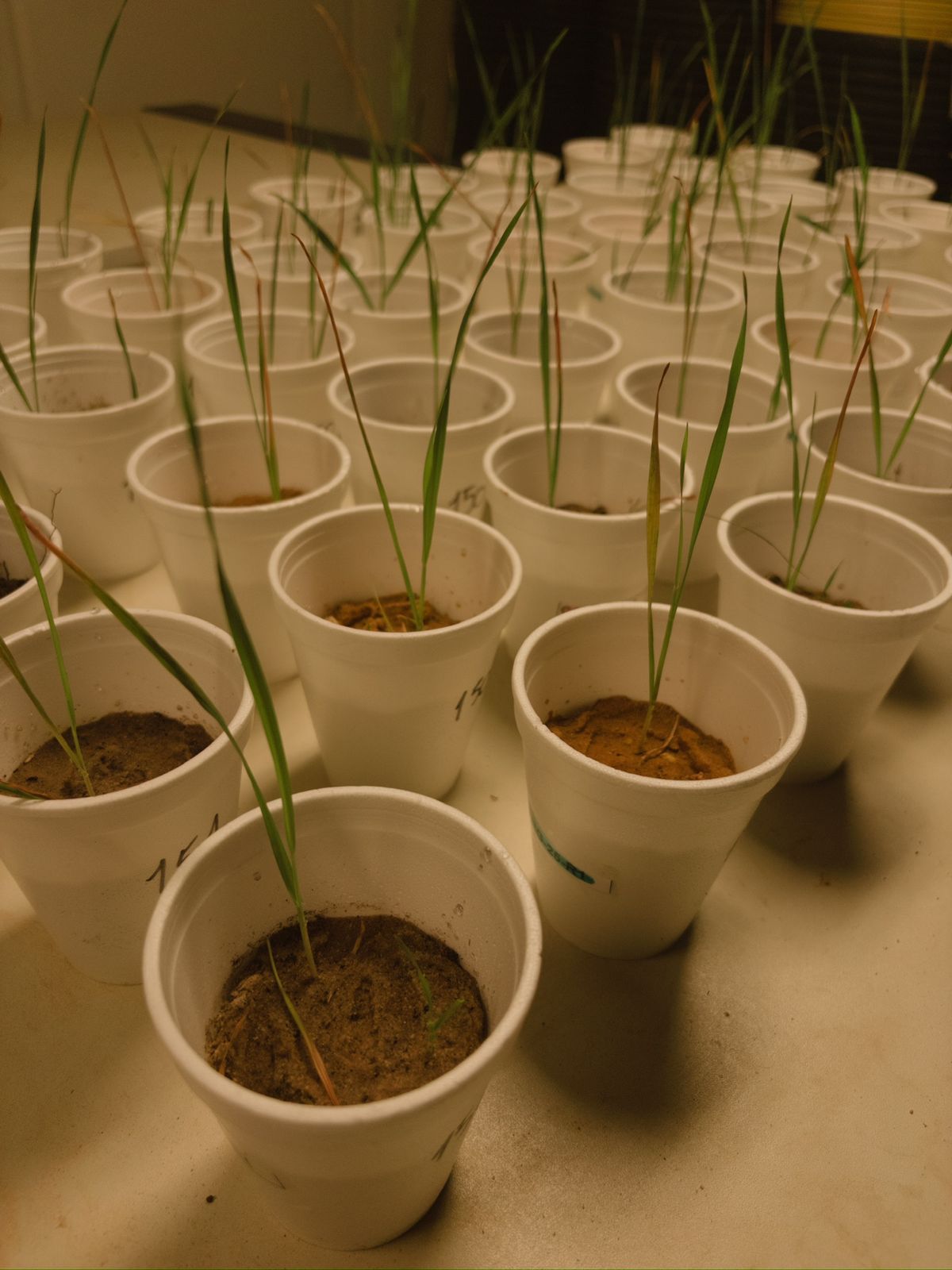
Non-target organisms: Potential impacts on bees, fish, birds, plants, soil microorganisms and other ecologically relevant groups.
-
Environmental dynamics: Estimation of the concentration of the product after the application, taking into account the climate, the type of soil and the typical agronomic practices of our country.
Scientific rigor and modeling
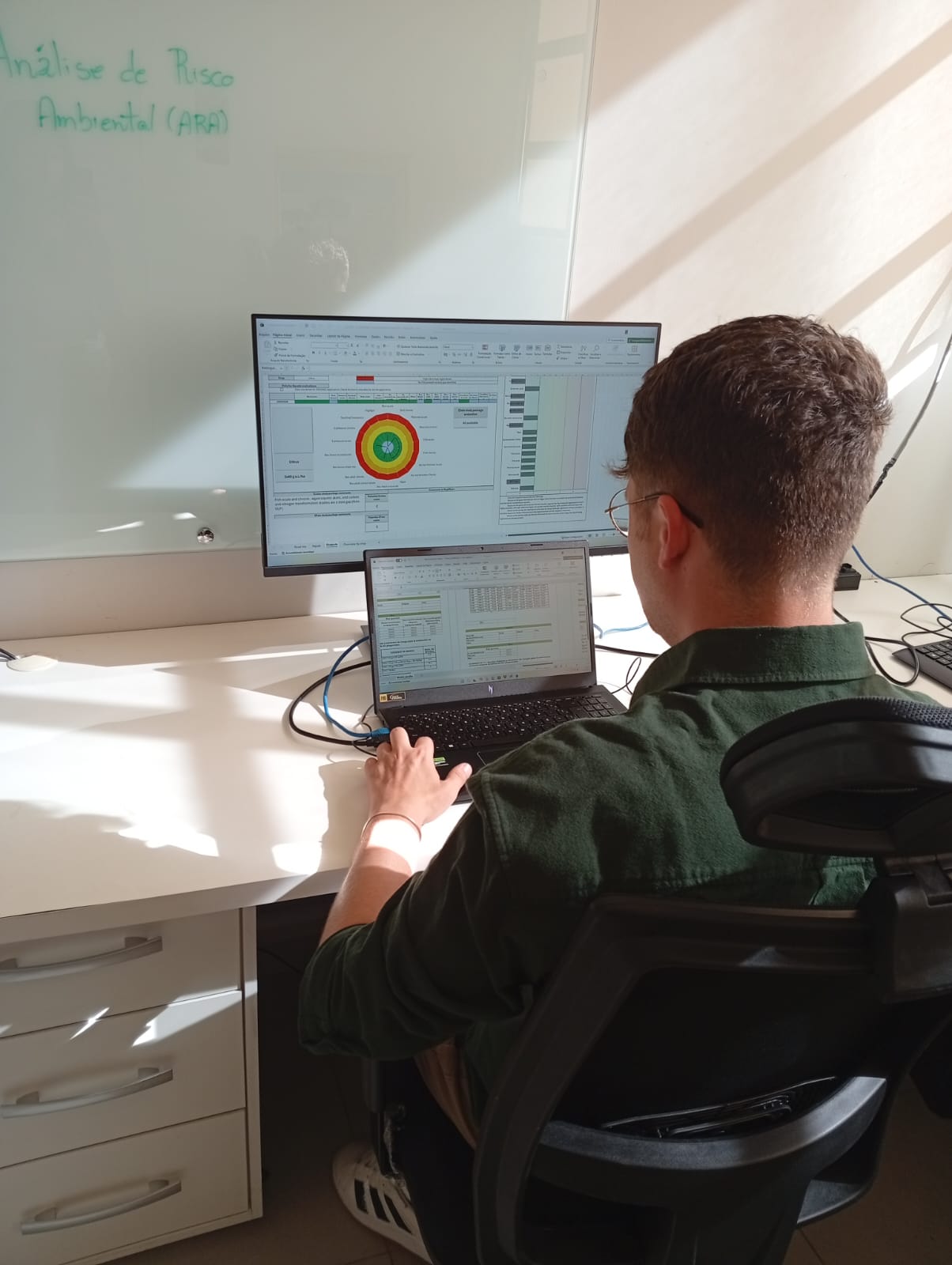
To support this analysis, IBAMA requires a robust set of ecotoxicological studies (acute and chronic), in addition to degradation and environmental behavior of the active ingredient. These data feed models that allow the risk to be characterized by a quantitative or qualitative way.
When a potential risk is identified, the mitigation measures, such as:
-
specific application restrictions and dose limits;
-
reapplication intervals;
-
buffer zones (buffer zones) to protect sensitive ecosystems.
International panorama: Brazil vs. European Union and USA
While they share the premise of integrating hazard and exposure, regulatory approaches vary by local context:
| Region | Approach focus | Main features |
| Brazil | Real risk characterization | It emphasizes the real conditions of agricultural use in the national context, with an analysis integrated by IBAMA. |
| European Union | Precautionary principle | Uses “cutting criteria”. Substances with high persistence or bioaccumulation may have their registration prevented early. |
| United States | Quantitative approach | Based on the EPA guidelines, it uses standardized models and strict acceptability numerical limits. |
Despite the differences, the three blocks share essential premises: the requirement of comparable ecotoxicological studies and the use of mitigation measures as a regulatory tool.

ERA as a competitive differential for companies
For companies that develop pesticides, bio-inputs or new technologies, mastering the logic of the Brazilian ERA is not only a matter of legal compliance, but a market strategy.
Regulatory efficiency: Well-structured processes reduce rework and avoid delays, bringing greater predictability to product launches.
Responsibility and Sustainability: Robust assessments reinforce the brand’s environmental commitment and ensure the viability of production systems.
Global acceptance: In a scenario where ecological safety is as important as agronomic efficacy, mastering ARA is a decisive competitive advantage.
REFERENCES:
Brazil, 2023. Law No. 14,785, of December 27, 2023. Available at: https://www.planalto.gov.br/ccivil_03/_ato2023-2026/2023/lei/l14785.htm
EPA – Environmental Protection Agency. Guidelines for Ecological Risk Assessment. Washington, D.C.: U.S. Environmental Protection Agency, 1998.
IBAMA – Brazilian Institute for the Environment and Renewable Natural Resources, 1996. Ordinance 84, of October 15, 1996. Available at: https://www.ibama.gov.br/component/legislacao/?view=legislacao&legislacao=99498
EU – European Union, 2009. Regulation (EC) No 1107/2009 of the European Parliament and of the Council Concerning the Placing of Plant Protection Products on the Market. Official Journal of the European Union, L 309, 24 Nov. 2009.